
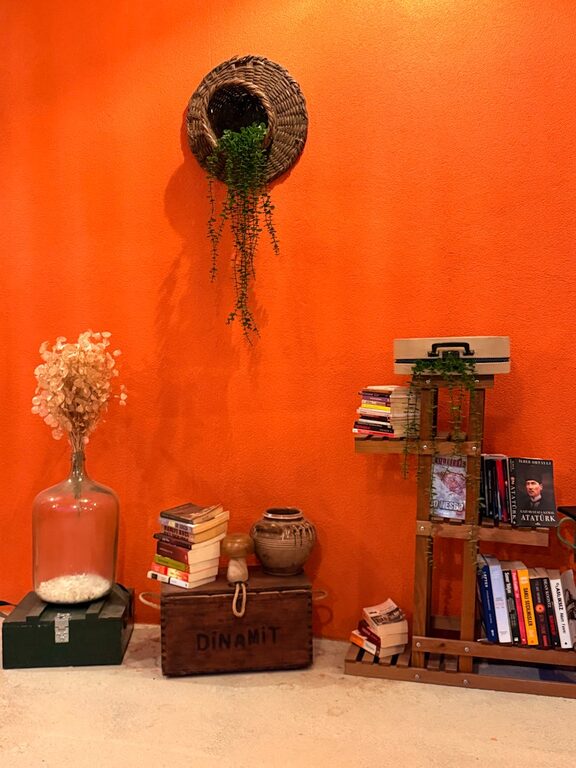
Creating a peaceful and inviting atmosphere in your home often starts with the colors you choose for your walls, furniture, and accessories. Calm colors can help reduce stress, promote relaxation, and make your living space feel more welcoming. But with so many color options available, selecting the right shades can feel overwhelming. This guide offers practical tips to help you pick calm colors that harmonize well, fit your style, and contribute to a soothing home environment.
Understanding the Psychology of Calm Colors
Colors have a powerful impact on our mood and emotions. Calm colors generally evoke feelings of tranquility, softness, and comfort. Common calm color families include:
– Blues: Often associated with serenity and stability, blue tones can lower heart rates and create a sense of openness.
– Greens: Reminiscent of nature, green promotes relaxation and balance, making it a great choice for stress relief.
– Neutrals: Soft beiges, warm grays, and creamy whites provide a gentle, grounding backdrop.
– Pastels: Light pinks, lavenders, and pale yellows add subtle warmth without overwhelming the senses.
When choosing colors, consider the mood you want to cultivate in each room. For example, blues and greens work well in bedrooms and bathrooms for restfulness, while warm neutrals suit living areas for comfort and versatility.
Tips for Choosing Calm Colors for Your Home
1. Start with Your Lighting
Natural and artificial lighting greatly influence how colors appear in your space.
– Observe at Different Times: Check how colors look in the morning, afternoon, and evening light.
– Consider the Light Source: Warm light bulbs make colors appear cozier, while cool bulbs can give a fresher feel.
– Test Samples: Paint a small section of the wall to see the color in your home’s lighting before committing.
2. Use a Color Palette to Harmonize
Combining calm colors effectively enhances balance and avoids clashing tones.
– Monochromatic Schemes: Choose different shades and tints of a single color for a peaceful, cohesive look.
– Analogous Colors: Select colors that sit next to each other on the color wheel (like blue and green) for harmony.
– Neutral Base with Accents: Use neutral walls with calm color accents in furniture or decor for subtle interest.
3. Consider the Function of Each Room
Different spaces benefit from specific calm hues suited to their use.
– Bedroom: Soft blues, muted greens, or gentle lavenders encourage restful sleep.
– Living Room: Warm neutrals and soft pastels promote comfort and conversation.
– Bathroom: Cool blues and greens evoke cleanliness and freshness.
– Home Office: Light greens or soft grays aid concentration and calm.
4. Don’t Forget Texture and Materials
Color isn’t just about paint. Fabrics, rugs, curtains, and furniture materials add depth and softness.
– Natural Textiles: Linen, cotton, and wool in calm colors enhance the peaceful vibe.
– Matte Finishes: Avoid overly glossy surfaces that might feel harsh.
– Layering: Combine various textures in similar tones to create cozy, inviting spaces.
5. Use Accents Wisely
If you love vibrant colors but want to maintain calmness, introduce brighter shades as small accents.
– Throw Pillows or Artwork: These add pops of color without overwhelming.
– Plants: Lush greenery provides natural calmness and vitality.
– Decorative Objects: Choose pieces in soothing hues to complement larger color choices.
6. Test and Refresh Gradually
Changing colors in your home can be exciting but don’t rush.
– Gather Swatches: Bring home fabric and paint samples before making decisions.
– Create Sample Boards: Arrange your selections together to see how they interact.
– Start Small: Paint one wall or add small accessories before full room updates.
– Evolve Over Time: Let your space grow with your tastes for long-term satisfaction.
Common Mistakes to Avoid
– Ignoring Lighting Effects: Color can look very different depending on lighting; always test.
– Choosing Too Many Colors: Too many hues can feel chaotic rather than calm.
– Overlooking Room Size: Dark colors might make small rooms feel cramped; opt for lighter shades.
– Neglecting Personal Preference: Only choose colors that truly resonate with you and your lifestyle.
Final Thoughts
Selecting calm colors isn’t about following strict rules but creating a home environment where you feel relaxed and happy. By paying attention to lighting, color harmony, room function, textures, and gradual changes, you can find the perfect calm hues that enhance your daily life. Remember that your home is your sanctuary—choose colors that bring you peace every time you walk through the door. Happy decorating!